






























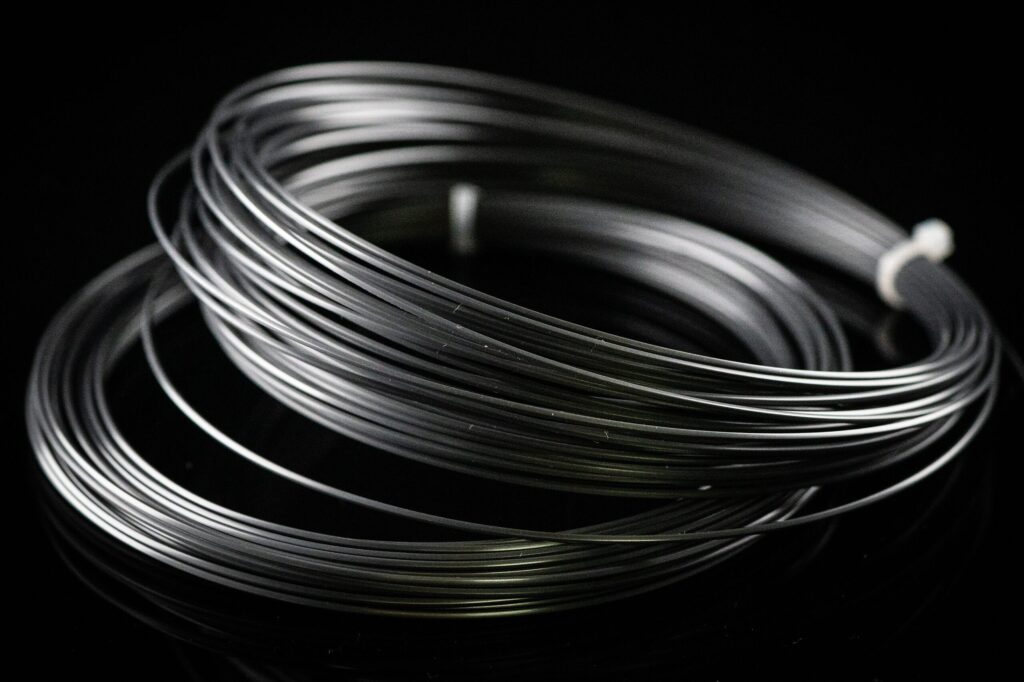
When it comes to tennis strings, choosing the correct gauge is often overlooked and can be a source of confusion for players. What’s up with the numbering system? Does a higher gauge indicate a thinner or thicker string? And when is it time to experiment with a new gauge? We’re here to unravel these intricacies, as the thickness of your tennis strings can significantly influence your game, from spin generation and durability, to feel and overall arm health. In this guide, we’ll explore what string gauges are, how they affect your performance on the court, and helpful tips to land on the right gauge for you.
STRING GAUGE DEFINED
Tennis strings come in various thicknesses, measured in millimeters. The term “string gauge” refers to the diameter of the string, with higher numbers signifying thinner strings and lower numbers indicating thicker ones. The higher the gauge number the thinner the string and vice versa. For example:
- 15L gauge: Thickest (1.35 mm)
- 16 gauge: Thick (1.30 mm)
- 16L gauge : Medium-thick (1.25mm)
- 17 gauge: Medium-thin (1.20 mm)
- 18 gauge: Thin (1.15 mm)
- 19 gauge: Thinner (1.10 mm)
- 20 gauge: Thinnest (1.05 mm)
The thickness of the strings affects how they interact with the ball and racquet. Players can choose different gauges depending on their playing style, skill level, and specific goals on the court.
HOW STRING GAUGES AFFECT PERFORMANCE
Selecting the right string gauge can affect durability, spin, power, and feel. Solinco is the only tennis brand offering an extensive range of gauge options across multiple offerings, allowing players to customize their performance and improve their connection with the ball. While most brands provide standard 16 to 18 gauge strings, some Solinco lines, such as Hyper-G and Tour Bite, go up to an impressive 20 gauge (1.05 mm), further expanding choices for discerning players and taking into account age and skill level.
1. Durability
Thicker strings, like 15L or 16 gauge, are generally more durable and can withstand heavy hitting, providing extended play. If you’re an experienced hard hitter who frequently breaks strings, opting for a thicker gauge is a wise choice. Also try experimenting with string tension to help you fine-tune performance that meets your specific needs.
2. Spin Potential
Thinner strings (such as 17 or 18 gauge) allow players to create more spin and “bite” on the ball. The trampoline effect from thinner gauges could result in better spin potential. Players that play with a variety of spin-based shots, including topspin and slices, will derive more benefits from a thinner gauge string.
3. Feel and Comfort
Thin strings (19 and 20 gauge) generally provide more feel, feedback, and comfort. This improved feel allows players to have more confidence behind their shots in terms of finesse and placement. Thinner strings bring less shock and vibration to the player’s arm compared to their thicker counterparts.

HOW TO CHOOSE THE RIGHT STRING FOR YOUR GAME
Choosing the right string gauge is crucial and should align with your playing style, performance goals, and frequency of play. A helpful guideline is this:
If you frequently break strings, consider switching to a thicker gauge for extended durability. On the other hand, if you’re not breaking strings often, opting for a thinner gauge can offer more performance benefits such as spin potential, feel, and control.

A QUICK NOTE ON ARM HEALTH
Thinner string gauges provide greater comfort and feel, making them a good option if you’re worried about a co-polyester string causing arm pain. Moving from a 16 to 17 gauge, or even 17 to 18, could help reduce discomfort. For players transitioning to co-polyester strings, opting for thinner gauges can also ease the adjustment, offering a softer feel on the arm with the performance benefits of a proven co-poly.
EXPERIMENTATION IS KEY
Personal preference plays a huge role in string choice. What works for one player might not work for another, even if their playing styles are similar. If you’re unsure of where to start, it’s a good idea to experiment with different gauges. Solinco offers the same string in a variety of gauges, so you can try out multiple options without letting go of the Solinco string you know and love.
You can also consider a hybrid setup, where different gauges are used for the mains and crosses of your racquet. This setup can give you the best of both worlds, a thicker string for durability in the mains and a thinner string for added spin or feel in the crosses. For example you can put a 17 gauge in the mains and put 19 gauge in the crosses.
THE BOTTOM LINE
Choosing the right tennis string gauge is a critical decision that can greatly influence your game. Whether you’re looking for added durability, more spin, better control, or enhanced feel, there’s a gauge out there that can help you fine-tune your performance. Don’t be afraid to experiment and find what works best for you. Remember, the right strings can be just as important as the right racquet in elevating your game.